
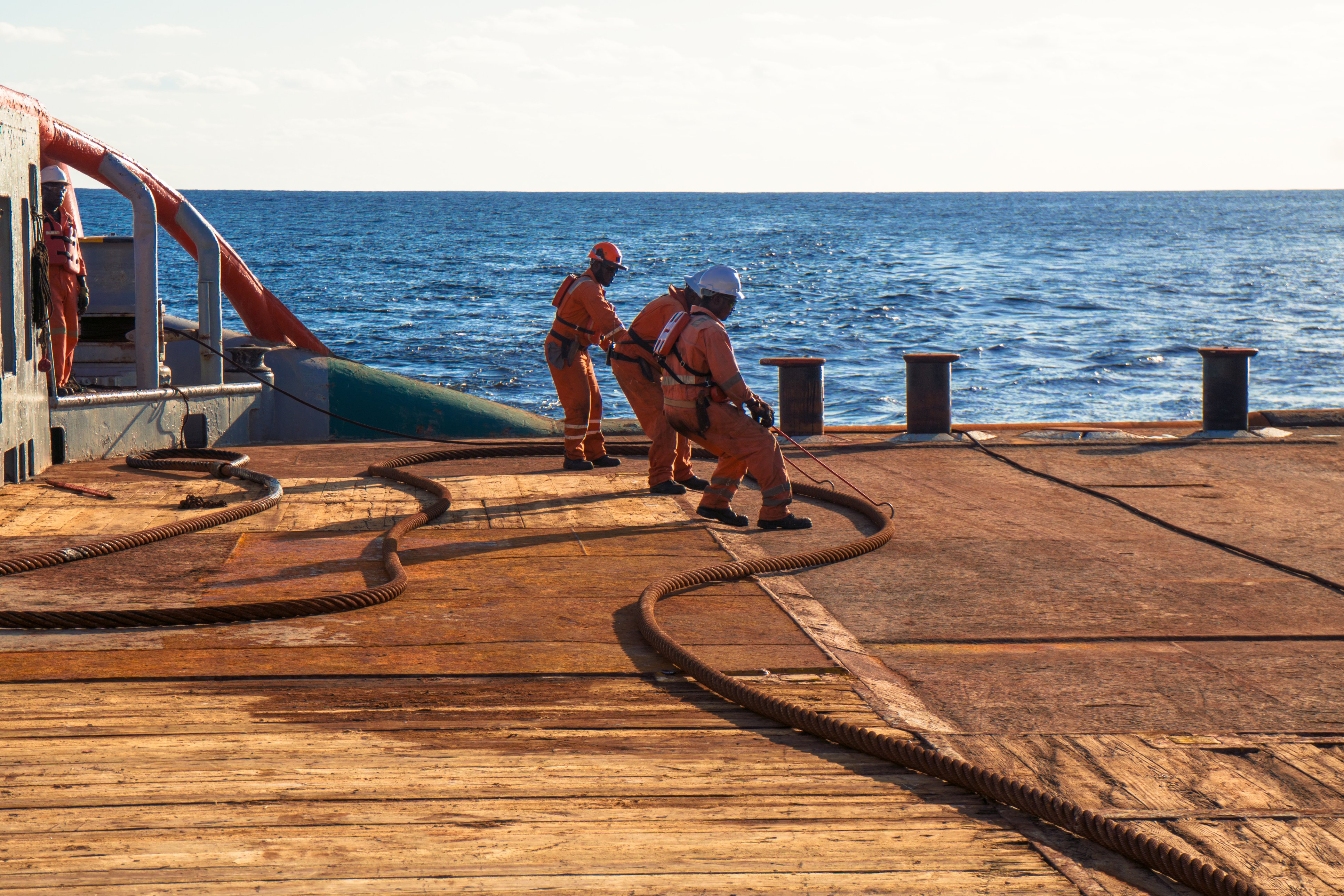
Growth can be a good sign for a maritime business. More work, larger crews, added equipment, and more contractors often point to an operation that is moving in the right direction, but those same changes can also put pressure on a safety plan that was built for a smaller, less complex workplace.
Growth may mean supervisors are responsible for more people than before. On a contractor-heavy job, a quick start may create confusion about who is directing the work and how the job will be coordinated around daily operations.
These aren’t unusual problems, and they are much easier to address before they lead to an incident.
Adjust the Safety Plan
A safety plan should reflect how the work is actually being done today. When operations shift, the plan needs to be reviewed.
That review does not have to be complicated, but it does need to be honest. Leaders should look at where people are working, what equipment is being used, who is supervising the job, how traffic is moving, where contractors are located, and whether crews understand the changes.
Small gaps can create big issues. Simple communication can be one of the first casualties when work piles up. A pre-job briefing could get skipped because the crew is behind, or a new worker may be assigned to someone who does not have enough time to explain the task. A traffic route may shift for the day, but not everyone gets the message. A contractor may understand the scope of work, but not the site-specific hazards around it.
Making sure the safety plan matches the work is the most important responsibility at any facility.
“If the job changed and the plan didn’t, you need to stop and reevaluate the plan. Growth brings more people, more equipment, more traffic, and more chances for somebody to get hurt,” said Woody Collins, Vice President of Loss Control, Strategic Partnerships at AEU. “Don’t assume the old way still works. Supervisors need to slow the job down long enough to make sure everyone understands the hazards.”
Training Isn’t Just About the Job
When an operation grows, hiring is often part of the mix, and new employees need more than job-specific training. They need to understand the environment around them. That includes things more experienced workers may take for granted, such as traffic flow, blind spots, radio communication, vessel access, load paths, restricted areas, emergency procedures, and whom to ask when something is unclear. A new worker who is an expert in their field can be completely unaware of the hazards of a particular work site.
This is where supervisors and experienced workers must step up and establish expectations that extend beyond the task itself. New employees need to understand that asking questions is encouraged, changes in conditions or plans must be communicated, and no one should feel compelled to guess their way through unfamiliar work simply to keep production moving. Just as importantly, employees should be empowered to speak up when something does not seem right, stop work when they have concerns, and seek guidance without fear of criticism or reprisal. Creating an environment where workers feel confident and supported in making safe decisions reinforces accountability, strengthens communication, and helps prevent errors, incidents, and unnecessary risk.
Supervisors Need More Support
Supervisors often feel the pressure first because they are closest to the crew performing the work.
As operations expand, supervisors may be asked to take on more work and manage more people, while still being expected to evaluate safety, coach employees, correct issues, and keep the job moving.
If it feels like too much work for one person, it usually is. Since expanding operations depend on people, getting supervisors the support and resources they need should be one of management’s first priorities.
Before agreeing to more work, management should look closely at supervisor capacity and evaluate whether supervisors can adequately perform the job. If supervisors do not have the time, authority, and support to execute the safety plan, adjustments should be made to protect the crew and keep an opportunity for growth from turning into a major setback.
Contractors Need Site-Specific Direction
Contractors need clear direction and site-specific expectations. A contractor may know how to perform the job they were hired to do, but they may not know the work site.
Before contractor work begins, everyone should understand who is supervising the work, where the work will take place, what active operations are nearby, how communication will happen, and what conditions would require the job to stop. Contractors need to understand the site, not just the work.
Keep Growth from Becoming a Setback
When additional work taxes resources, leaders should take time to review whether the safety plan still fits the operation.
The best questions are usually simple ones:
- What changed?
- Where did the work change?
- Where are supervisors stretched thin?
- Where are employees most exposed?
- Have new employees been trained on the specific environment?
- Are contractors working? If so, are expectations clear?
- Where has traffic flow, staging, equipment use, or communication changed?
- Where are crews working around the plan because the plan no longer matches the job?
These questions shouldn’t be asked in the office. The best answers are found where the work is happening.
A safety review isn’t meant to slow the operation down, but to make sure the operation is ready for the work it has taken on. When leaders take the time to adjust the plan, they protect the crew, strengthen trust, and keep growth from becoming a setback.


